
Sopwell House achieve EarthCheck silver
In an industry where sustainability is moving from aspiration to expectation, hotels are increasingly looking for credible ways to demonstrate their commitment to responsible operations. One of the most respected benchmarks globally is EarthCheck, and this year Sopwell House reached an important milestone by achieving EarthCheck Silver Certification.
For guests, corporate bookers and event planners, that small silver badge represents something significant: verified progress, transparency, and a long-term commitment to improving environmental and social impact.
But what does EarthCheck Silver actually mean — and why does it matter?
What is EarthCheck?
EarthCheck is one of the world’s leading scientific benchmarking and certification programmes for the travel and tourism industry. Unlike simple pledges or internal initiatives, EarthCheck requires organisations to measure and report on key areas including:
- Energy consumption
- Water use
- Waste production
- Carbon emissions
- Community engagement
- Environmental management systems
Hotels must benchmark their performance against global best practice and undergo independent verification.
It’s a rigorous process designed not just to recognise good intentions, but to reward measurable improvement over time.
What Silver Certification Represents
EarthCheck operates on a progression system that reflects continuous improvement.
- Bronze – The first year of benchmarking and meeting baseline performance requirements
- Silver – Five consecutive years of verified environmental and social performance
- Gold and Platinum – Long-term leadership and sustained progress over a decade or more
Achieving Silver Certification therefore signals something important: this is not a one-year initiative or a marketing exercise. It represents five years of measured, audited performance improvements across key sustainability indicators.
For a hotel like Sopwell House, this milestone demonstrates that sustainability has been embedded into operations, decision-making and long-term strategy.
Sustainability in Practice at Sopwell House
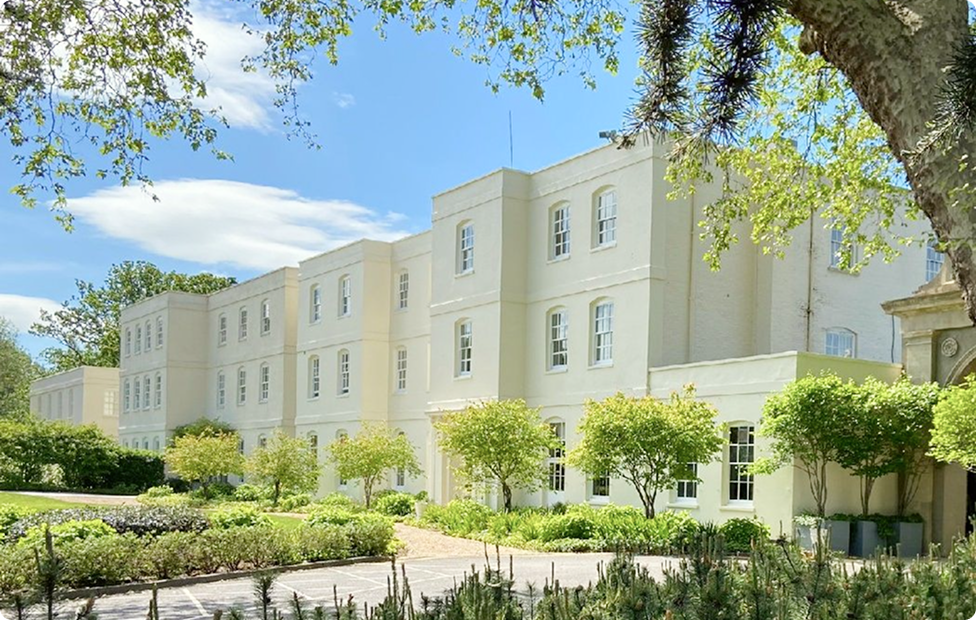
Set within twelve acres of Hertfordshire countryside, Sopwell House has long been recognised for offering a retreat-style experience close to London. But behind the scenes, the hotel has also been investing in how it operates responsibly.
EarthCheck certification recognises improvements across several areas of the hotel’s operations, including:
Energy efficiency and carbon management
Monitoring and reducing energy use across the property to minimise environmental impact.
Water stewardship
Tracking water consumption and implementing efficiency measures throughout the hotel and spa operations.
Waste reduction and responsible sourcing
Improving waste management systems and working with suppliers who align with responsible sourcing principles.
Community engagement
Supporting the local economy and community through partnerships, employment opportunities and local supply chains.
Taken together, these efforts help reduce the hotel’s footprint while strengthening its relationship with the place and community it operates within.
Why Certification Matters More Than Ever
Sustainability claims in hospitality are under increasing scrutiny. Guests, corporate travel managers and event planners are becoming more informed — and more cautious about greenwashing.
Independent certification programmes like EarthCheck provide something increasingly valuable: credibility.
For bookers evaluating venues for meetings, events or corporate travel programmes, recognised certifications act as a trusted signal that a hotel’s sustainability claims are supported by data and third-party verification.
It moves the conversation away from promises and towards evidence-based performance.
A Growing Expectation from Guests and Corporate Buyers
The demand for sustainable hospitality is not just a trend; it is becoming a commercial requirement.
Corporate travel programmes and event organisers are increasingly required to report on the environmental impact of their activities. As a result, they are prioritising venues that can demonstrate credible sustainability credentials and transparent data.
Hotels that invest in verified sustainability programmes position themselves not only as responsible operators, but also as preferred partners for future business.
Sopwell House’s EarthCheck Silver certification places it firmly within this category.
The Journey Continues
Sustainability is rarely about a single milestone. Instead, it’s an ongoing process of improvement, measurement and adaptation.
EarthCheck’s framework encourages hotels to continually benchmark their performance and set new targets year after year. For Sopwell House, Silver Certification marks an important step in that journey — recognising years of work while setting the stage for continued progress.
For guests and partners, it also provides reassurance that the hotel’s commitment to sustainability is not just visible, but verified.
Final Thought
Independent certifications like EarthCheck are incredibly valuable. They provide credibility, structure and verification that a hotel is genuinely improving its environmental and social performance.
But the badge itself is only the starting point.
For most guests, a certification logo doesn’t immediately translate into meaning. They don’t necessarily know what Silver represents, how long it takes to achieve, or what changes are happening behind the scenes to make that possible.
The real opportunity lies in helping guests understand what that commitment means for them.
This is where the next chapter of sustainable hospitality begins.
At GSI, the focus is on bridging that gap — helping hotels translate credible sustainability data and certifications into clear, engaging stories that can be understood across the entire guest journey. From the first moment a guest discovers the hotel, to their time on property and long after they return home, sustainability becomes something visible, tangible and meaningful.
Because certification proves the work is being done.
But communication is what turns that work into trust, connection and lasting impact.
↑ Back to top